Smart Agriculture with IoT: From Concept to Full Deployment
By Russ Cook
March 19, 2026
By Russ Cook
March 19, 2026
Estimated reading time: 5 minutes
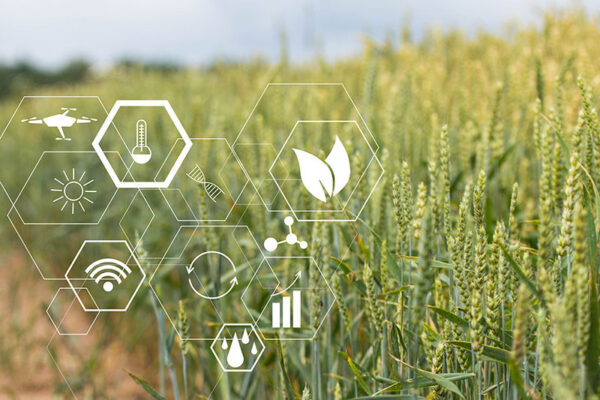
Smart agriculture, once a vision for the future, is now a proven technology for farms of all sizes. Farmers and agribusinesses harness the Internet of Things (IoT) to enable smart farming solutions and improve data collection.
By using connected sensors and real-time analytics, farmers can:
IoT technology is essential to increase efficiency and sustainability in modern farming operations.
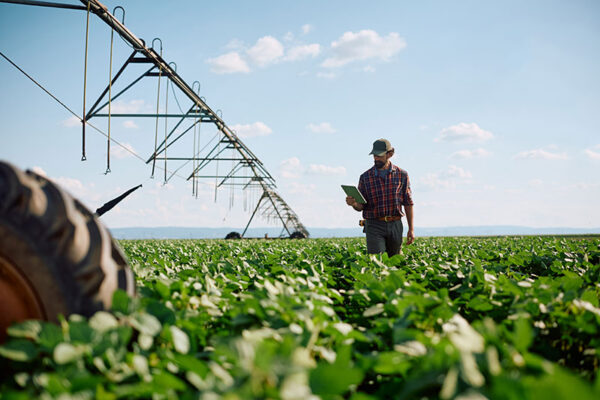
The agriculture industry faces a combination of complex challenges, including:
Without reliable, up-to-date information, minor issues can quickly escalate, resulting in wasted resources and reduced crop yields. Effective data management is necessary to implement connected farming solutions.
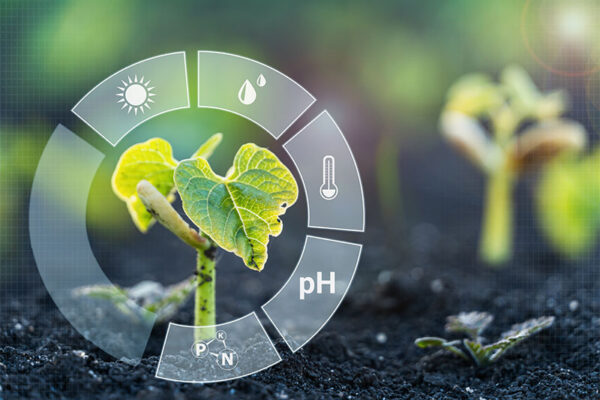
Smart agriculture is a transformative approach to farming. It uses connected technologies to gather data from multiple sources, supporting more informed decision-making.
Access to accurate information helps farmers monitor conditions and effectively manage their operations.
IoT-powered agriculture is more accessible than many expect. Farmers don’t always need to invest in new equipment.
IoT sensors can integrate with existing machines, thereby simplifying connectivity and reducing costs. Collected data is sent to a centralized platform for real-time visibility.
Smart Agriculture IoT Key Use Cases:
Implementing these applications reduces labor costs and boosts productivity. As operating expenses rise, leveraging these technologies helps agricultural businesses remain competitive in a challenging market.
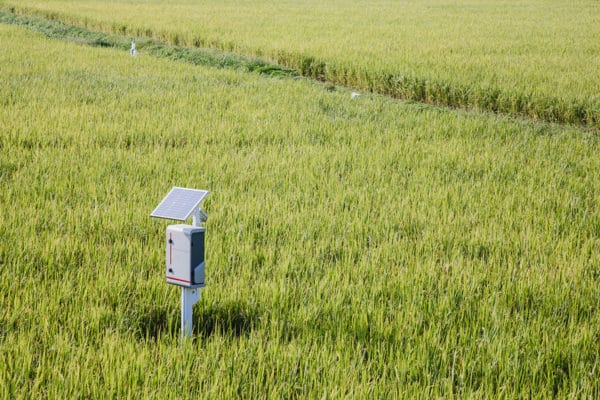
Agriculture environments place extraordinary demands on IoT hardware. Devices must be engineered to withstand pests and extreme weather conditions.
Deployed for months or years at a time, they rely on batteries or solar chargers rather than direct electricity. Reliability is paramount, as farmers cannot afford to troubleshoot or replace devices each season.
Data gathered by devices in the field is valuable only when transmitted consistently without interruption. In rural areas, maintaining a reliable connection often requires hybrid strategies that combine cellular and satellite support.
eSIM provisioning lets devices automatically connect to the strongest available network, reducing downtime and eliminating manual SIM swaps. These capabilities ensure that the IoT system is reliable and effective, supporting the ongoing needs of modern agriculture.
The foundation of a successful agriculture IoT deployment lies in a deep understanding of each farmer’s unique goals. For some, the primary objective may be to monitor irrigation and soil health. Others might prioritize tracking livestock or assessing equipment performance. Defining these objectives is the first step in the process.
Once the goals are established, it’s important to collaborate with an IoT partner experienced in the farming industry. The solution must be tailored to the farm’s specific conditions, such as local climate and available connection options. This collaboration ensures the solution is sound and delivers a measurable return on investment.
An agricultural IoT initiative may begin with a small pilot involving a few soil sensors or tank monitors. Once farmers experience the technological benefits, most want to expand. Successful scaling requires infrastructure that grows easily without adding complexity. Automated SIM provisioning allows each new device to connect seamlessly to the network.
Centralized dashboards manage this growth. Farmers monitor their devices from a single location and troubleshoot remotely, reducing the need for on-site visits. As deployments scale, robust platforms handle higher data volumes without disruption.
With these elements in place, scaling IoT solutions becomes straightforward; farmers quickly realize returns on their investment.

Once an IoT deployment is active, farmers monitor and manage equipment and devices through centralized dashboards. Remote management features allow firmware updates and support smooth operation without needing on-site IT staff.
Application planning interfaces (APIs) and integration layers connect IoT data to existing enterprise resource planning (ERP) systems. They also connect to farm management software. This enables the automatic creation of alerts and reports within existing dashboards, seamlessly integrating IoT into daily farm operations.
IoT becomes a natural part of the farm’s workflow rather than an added complexity.
Smart agriculture with IoT empowers farmers to overcome the challenges of modern farming. A successful deployment requires solutions that will withstand the conditions of your specific operation and scale as needed.
Telit Cinterion provides the critical components required to transform agriculture. These include rugged cellular modules and 5G data cards, GNSS positioning modules and reliable global connectivity.
Our extensive expertise in agriculture IoT and integrated platform visibility ensures every deployment is dependable and scalable.
Transform your agricultural operation with IoT to unlock the full potential of connected farming. Contact a smart agriculture expert for a free demo.